I can hear the question being typed and searched now:
“I’m a teacher, and I I want to go into IT / cybersecurity / hacking / pentesting / etc. Is this this possible? Am I too old? I don’t teach computer science or anything related….”
Let’s talk about it!
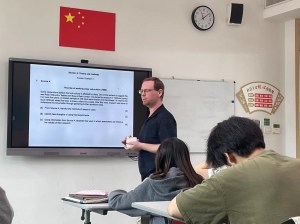
I’m right there with you. I used to be an ESL teacher. A history teacher. An AP teacher. A sociology teacher. I’ve taught just about everything in the field of liberal arts haha
But that was then — now I’m all in on information technology and cybersecurity. Crazy, right?
Well, here’s the thing: the more I think about it, the more I believe skills I honed in the classroom will prove to be invaluable in my new career.
Quick Recap:
My journey into tech started in late 2022, amidst the craziness of a high school teaching job in Hangzhou, China. I was hearing a million stories about ransomware attacks and data breaches, and I was not only annoyed at how companies seem to be totally inept at keeping their sh#t together, but also looking towards moving back to the USA and a non-teaching job. Then it clicked!
Fast forward a few months, and I’ve got four certifications under my belt and a newfound passion for networking and cybersecurity.
Now, the $64 question: how did and how will my teaching background prepare me for this?
Communication is Key
In teaching, especially language teaching, effective communication is the bedrock of any successful lesson. From what I’ve heard and been told, the same applies to IT and cybersecurity. You have to explain tricky technical issues to non-tech-savvy colleagues, and when writing documentation, the ability to convey complex information clearly is crucial. You can’t not be a communicator.
Teamwork and Leadership
When you’re in a classroom, teamwork and leadership are not just buzzwords; they are daily practices. No matter if it was ESL, AP Language, Sociology, or in group tutoring, I led teams of students through complex projects, fostering collaboration and guiding them towards a common goal. It seems to me that effective cybersecurity is also a team sport, so to speak. You need a leader who can not only delegate appropriately, but also step in to provide hands-on support when needed.
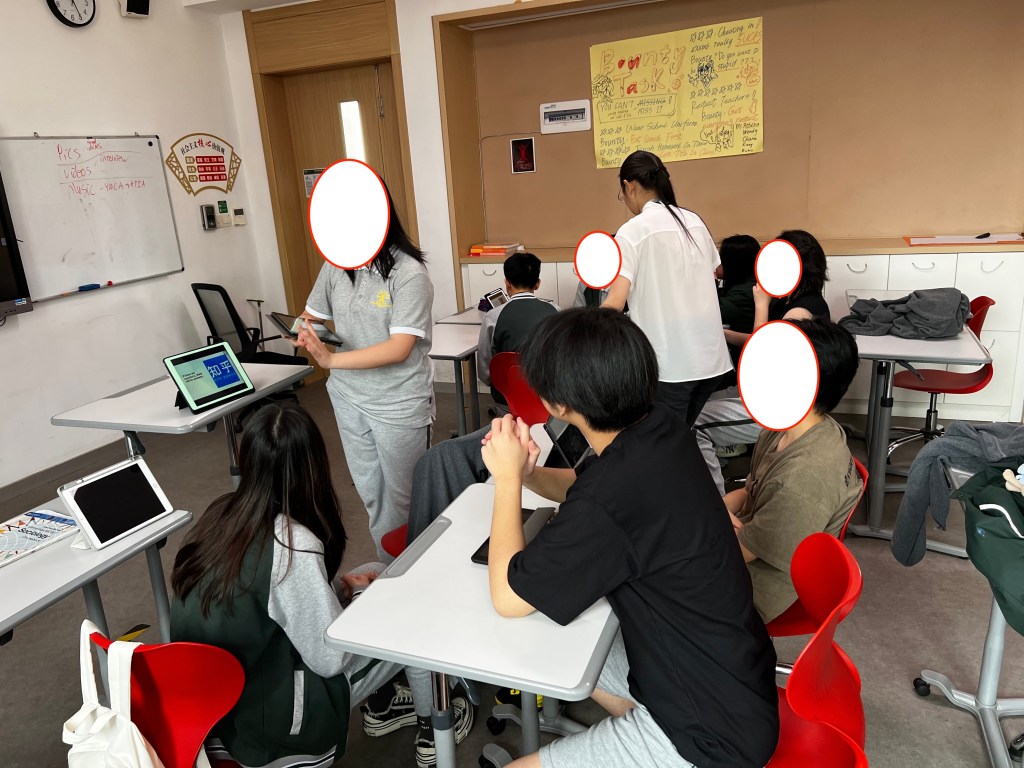
a media-related research assignment.
Again, the essence remains the same: clear communication, mutual respect, and a shared vision are key to achieving successful outcomes. These leadership skills have been instrumental as I navigate the complexities of the tech world, where collaboration is often the difference between success and vulnerability.
Problem-Solving: A Universal Skill

I can feel all of the eyes rolling. Everyone solves problems.
True, and teachers are natural problem solvers. You’ve got adapt lesson plans on-the-fly to manage your classroom of diverse and mixed-ability learners, and teachers are perpetually in problem-solving mode.
It’s a key skill taught in teacher certification courses: anticipate the problems AND solutions before they come, and training + experience takes care of any unexpected issues. In cybersecurity, you’re essentially doing the same thing: anticipating and identifying vulnerabilities and figuring out how to patch them up before they can be exploited. In the event of an attack, experience and training will take over.
Project Management: Lesson Plans to Cyber Plans
One skill that has seamlessly transitioned from my teaching days is project management. Designing and implementing curriculums (most of which I had to design myself) required meticulous planning, resource allocation, and timeline management—skills that are incredibly relevant in the tech world. It might be rolling out a new security protocol or coordinating a team to tackle a complex technical issue…the principles are surprisingly similar.
I’ve also been involved in various school and class projects, from translation to essay contests to school journals, procedural handbooks, and more, which taught me the importance of teamwork, setting achievable milestones, and adapting to unforeseen challenges. With tech projects, stakes are high and the room for error is low!

Limitations and Next Steps
Of course, not everything in teaching can be directly applied to IT. The technical skills required for cybersecurity need to be learned from scratch. But don’t underestimate the power of your soft skills; I’ll bet they can give you an edge in this new field you’re thinking about joining! Why else would you be here?
Conclusion
So there you have it! The teaching to tech journey has been wild, and technically, I haven’t even STARTED yet! Hahaha but it’s been incredibly rewarding. I’m realizing more and more that the limitations I thought I had were more self-imposed than anything else. I definitely should have started earlier on this, but better late than never!
The more I’ve pondered, the more it seems like the skills I’ve gained from a decade plus in the classroom may come in handy after all. If you’re contemplating a career change, don’t discount the skills you’ve already mastered; you never know how they’ll come into play in your next adventure.
What’s Next?
I’m currently diving deeper into the cloud and virtualization at the moment, and I would ultimately like to end up on what they call “blue team” cybersecurity, focusing on defense. Stay tuned for more updates!
So, what do you think? Do you have similar questions or a similar experience? Share your thoughts and questions in the comments below!

 Home
Home 
Leave a comment